


 中文
中文
 English
Amidst increasingly fierce commercial competition, how to achieve both traffic and sales growth with marshmallow machines in shopping malls has become a key concern for mall operators. Recently, several mall operators have engaged in heated discussions on 'how to determine the floors for cotton candy machine placement.' By combining the floor distribution patterns of large malls with the characteristics of consumer scenarios, a precise placement strategy has gradually emerged.
The floor divisions of large, comprehensive malls often reflect distinct functional characteristics: the first floor, a prime location, is often occupied by international brands and beauty stores, with the highest traffic density, but with a strong focus on targeted purchases and short dwelling times. The second floor is primarily home to clothing, footwear, and fast fashion brands, targeting young people and housewives. Floors 3-4 are home to children's businesses, including parent-child playgrounds, children's clothing stores, and early childhood education centers, becoming the core activity area for families. Floors 5 and above are primarily occupied by restaurants, cinemas, and fitness centers, focusing on leisure and entertainment.
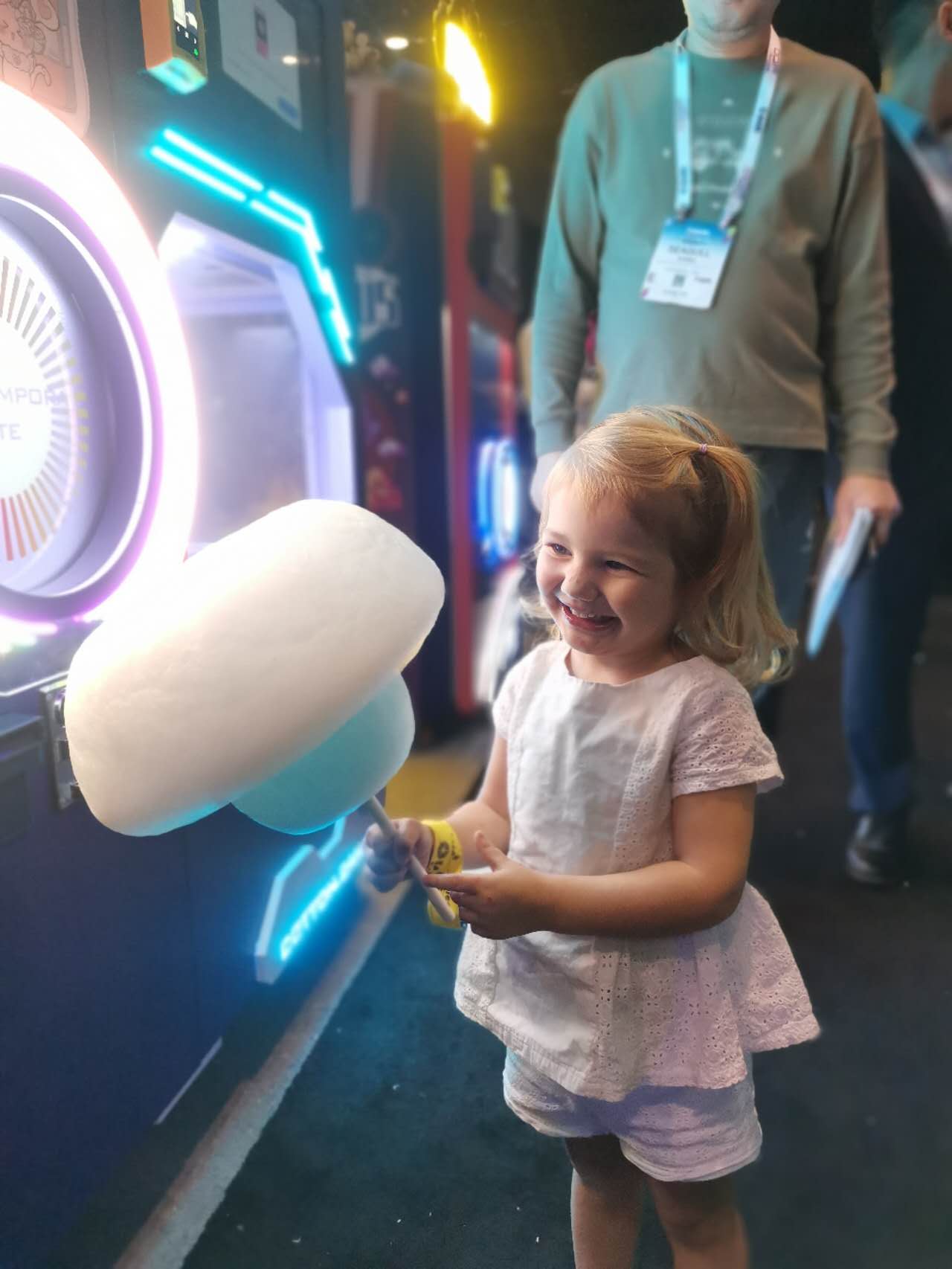
Based on the product characteristics of marshmallow machines, children are the core consumer group. Therefore, the children's area on floors 3-4 is the optimal location for this placement. Data shows that on weekends and holidays, families typically spend more than two hours in the children's area. Children's playtime creates a strong demand for cotton candy, and parents' willingness to purchase cotton candy is significantly higher than in other areas. After one shopping mall installed a cotton candy machine next to the children's playground, its weekend sales were over three times higher than on other floors, demonstrating the potential of this area.
In addition to the children's area, the mall's free rest and play areas are also prime locations. These areas are often located near floor corridors and elevator entrances, equipped with seating and children's play equipment, making them a popular spot for consumers to take a break from shopping. When parents and children stop by for a short while, cotton candy, as a convenient and attractive snack, is a popular option for spontaneous purchases. Furthermore, pairing cotton candy machines with milk tea shops, bakeries, and other stores can create a 'dessert consumption cluster,' leveraging connected consumption scenarios to increase purchase rates.
It's worth noting that the first floor, despite its high traffic volume, is not an ideal choice. Consumers in this area are often on the go, and the high-end brand atmosphere doesn't mesh well with the casual nature of cotton candy. Consequently, the conversion rate is lower than in the vertical customer areas above. The dining area, on the other hand, is primarily focused on formal dining, and demand for cotton candy is relatively weak, making it more suitable as a supplementary location rather than a core component.
Accurate floor selection is the first step to successful cotton candy machine operations. Subsequently, strategies such as time-of-day promotions and flavor innovations must be incorporated to continuously stimulate consumer potential. Whether focusing on precisely reaching children or leveraging leisure time to encourage spontaneous consumption, grasping the functional attributes and consumer psychology of mall floors is the key to maximizing the commercial value of small cotton candy machines.